
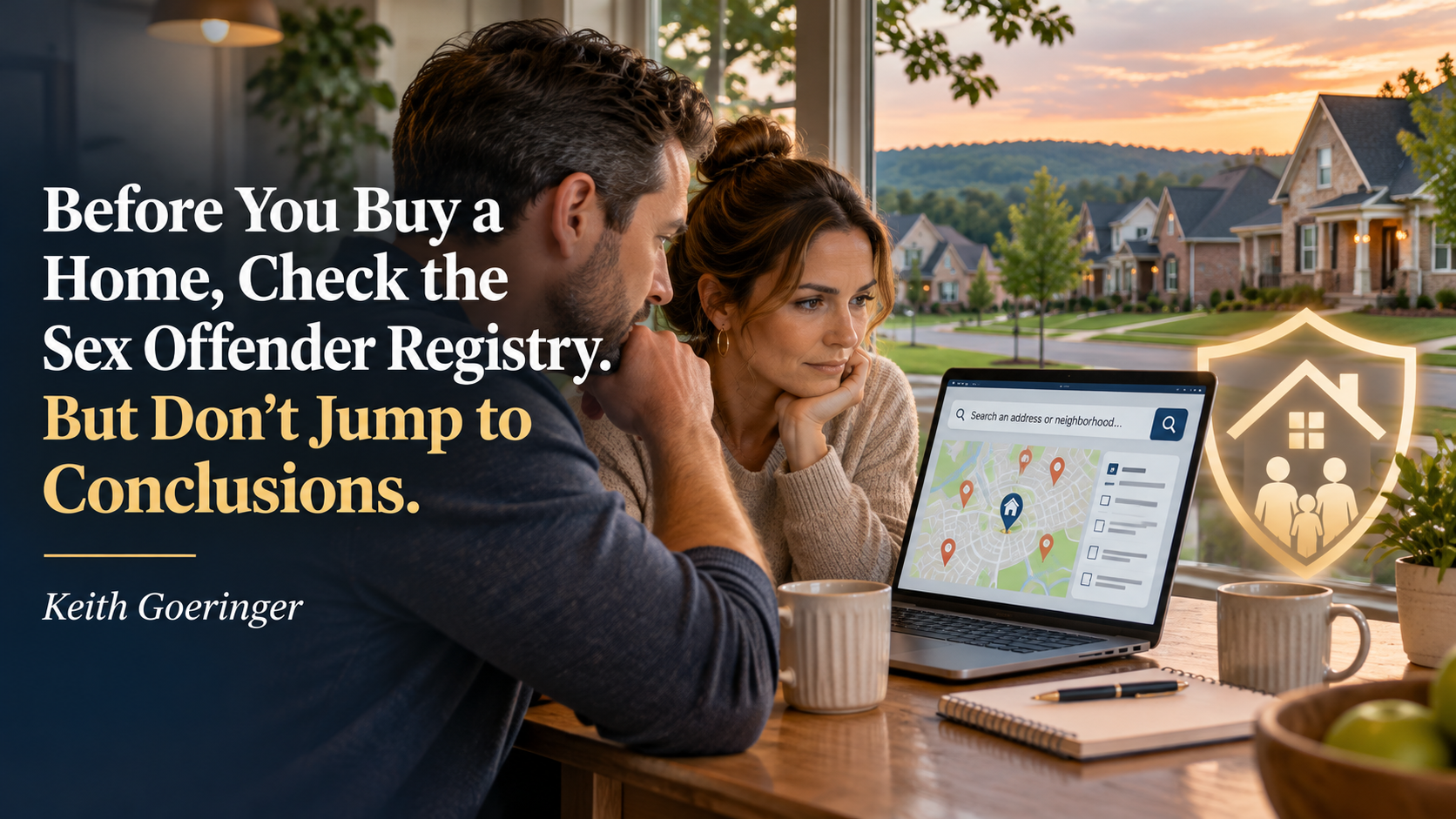
It's called Family Watchdog, and it helps you research registered sex offenders living near your home, your children's school, or a property you're considering purchasing.
I think this is valuable information for families.
But there's another side to this conversation I believe deserves equal attention.
Finding someone's name on a registry doesn't mean you know their entire story.
I'm a firm believer in protecting our families. I'm also a believer in accountability, forgiveness, and the possibility of people changing their lives.
I don't think those beliefs conflict.
We should protect our children, understand the facts, and be careful about passing judgment on people we don't know.
A Free Website Worth Knowing About
Family Watchdog is a public search tool designed to help families locate registered sex offenders in their communities.
You enter an address and review registry information associated with the surrounding area.
Depending on the information available from state records, you might see someone's name, photograph, reported address, conviction, and registration details.
For someone considering buying a home in Franklin, Brentwood, Spring Hill, Columbia, Nashville, or anywhere else in Middle Tennessee, this is another resource worth including in your research.
We spend time researching school districts, neighborhood amenities, commute times, property taxes, and home values.
Researching information related to family safety belongs in the conversation, too.
But I want to encourage you to do something beyond looking at the map.
Read the information carefully before drawing conclusions.
Not Every Person on the Registry Has the Same History
This is where I think we need to be especially careful.
When someone hears the term "registered sex offender," they often picture the worst possible situation.
And some of the crimes represented on these registries are horrific.
Sexual violence, exploitation, and abuse of children cause tremendous harm. Victims deserve protection, justice, and support.
We should never minimize what happened to them.
But registration laws cover different offenses and circumstances.
These include sexual assault, offenses against children, exploitation, certain online offenses, and statutory offenses involving age and consent.
The details matter.
Consider the questions you might have after seeing a listing.
How old were the people involved? Was force or coercion involved? What offense resulted in the conviction? How long ago did the incident occur? What does the official record establish?
A conviction involving violent abuse of a child presents a different factual history from some other offenses requiring registration.
We shouldn't pretend those situations are identical.
And we shouldn't make assumptions about someone's circumstances based solely on a photograph and a label.
Understanding the facts isn't the same as excusing the offense.
It's recognizing the difference between making an informed decision and making a judgment without enough information.
What Happens After Someone Is Convicted?
Another part of this conversation often gets overlooked.
What happens to someone after their conviction?
Depending on the circumstances, a person might serve a prison sentence, complete probation or parole, participate in treatment, or remain subject to reporting and supervision requirements.
Those requirements vary based on the offense and applicable law.
In Tennessee, certain offenders must remain registered for life. Others become eligible to request removal under specific legal conditions.
You can review Tennessee's requirements through the Tennessee Bureau of Investigation.
But here's something I think deserves consideration.
People's lives do not necessarily stop changing after a conviction.
Some people accept responsibility for their actions. Some participate in treatment and work toward rebuilding their lives.
Some make meaningful changes.
Others don't.
And completing a sentence or participating in treatment is no guarantee someone will never offend again.
We should recognize the seriousness of someone's history without assuming we know everything about their present circumstances.
I believe people should be held accountable for their actions.
I also believe in repentance, forgiveness, and the possibility of redemption.
Those beliefs don't erase consequences.
And forgiveness doesn't require putting someone in a position where they might harm another person.
But I don't believe my responsibility as a parent includes condemning another person for the rest of their life.
I can recognize the seriousness of someone's past without claiming to know their heart today.
I can take precautions without spreading fear, rumors, or accusations.
Both responsibilities belong together.
What Does Tennessee's Sex Offender Registry Tell You?
If you're researching property in Middle Tennessee, the official source for registry information is the Tennessee Bureau of Investigation Sex Offender Registry.
Tennessee uses legal classifications including sexual offender and violent sexual offender.
These classifications reflect qualifying offenses under state law.
They are not individual predictions of someone's future behavior.
The state registry also contains information concerning registration status, reported locations, and relevant offenses.
Information changes as people move, update their records, or experience changes in their legal status.
The TBI explains that registry information comes from reporting agencies and that accuracy isn't guaranteed.
That's an important reason to verify anything concerning you.
If you find a listing near a home you're considering, review the official information and contact the appropriate law enforcement agency when questions remain.
What I wouldn't do is confront someone based on a map marker or publish their photograph in a neighborhood Facebook group with accusations about what they might do.
You don't protect your family by creating unnecessary harm to someone else's.
The Part of Family Safety a Registry Doesn't Cover
Here's something I believe is even more important than the website itself.
Finding no registered offenders near your home does not mean your children are free from risk.
According to research cited by RAINN, 93% of juvenile sexual assault victims in the underlying study knew the person responsible.
That's worth thinking about.
We naturally worry about strangers.
But children also need protection from inappropriate behavior involving people they already know.
Family members, acquaintances, trusted adults, and others with access to children are part of the broader safety conversation.
This is why I think parents need to do more than check a website.
Talk with your children about personal boundaries.
Teach them the difference between appropriate and inappropriate behavior.
Make sure they understand they should tell you if someone makes them uncomfortable, regardless of who the person is.
Pay attention when children express discomfort around particular adults.
And create an environment where children know you'll listen and take their concerns seriously.
These conversations matter whether you live near a registered offender or not.
A registry is one source of information.
It isn't a complete family protection plan.
What I Would Research Before Buying a Home
If you're preparing to purchase a home, I would add a few simple steps to your existing research.
- Visit Family Watchdog. Enter the address of the property you're considering and review the surrounding area.
- Look at the actual offense information. Don't assume every listing represents the same circumstances.
- Verify the details with the official state registry. For Tennessee properties, use the TBI website.
- Ask questions before drawing conclusions. If something concerns you, contact the appropriate authorities for clarification.
- Research the neighborhood beyond the registry. Evaluate traffic, schools, neighborhood activity, emergency services, and other factors affecting your family.
- Keep your information current. Tennessee's registry provides email notification features, so review the options available for your area.
None of these steps guarantees safety.
But together, they help you make a more informed decision.
Protecting Families Without Condemning People
I want to be clear about my position.
Protecting children should always be a priority.
People who harm others should face accountability. Victims deserve justice. And parents have every right to take reasonable precautions.
But we also need to be careful about how we treat people who have already faced the consequences of their actions.
We don't know every detail of someone's life from a public record.
We don't know whether they've changed, what they've done since their conviction, or what their future holds.
Their history matters.
Their actions matter.
And the possibility of rehabilitation matters, too.
I believe people deserve the opportunity to demonstrate meaningful change while continuing to meet their legal responsibilities.
That doesn't mean ignoring warning signs, excusing harmful behavior, or taking unnecessary risks.
It means approaching a difficult subject with wisdom, compassion, and respect for the facts.
There is a difference between being cautious and being cruel.
And I think we should remember that difference when using information like this.
A Resource Worth Sharing With Other Families
If you're a parent, grandparent, homeowner, or someone preparing to purchase a home, take a few minutes to visit:
Research your address.
Learn how the registry works.
Share the resource with someone who might find the information helpful.
But encourage them to approach what they find responsibly.
My goal in sharing this website isn't to encourage suspicion toward our neighbors.
It's to give families another resource for making informed decisions.
After more than two decades helping people finance homes, I believe buying a house should involve more than reviewing the mortgage payment.
You should also understand the community where you're choosing to live.
And when you're researching your neighborhood, remember that protecting your family and treating others with dignity belong in the same conversation.
Protect the innocent. Respect the facts. Recognize the possibility of redemption. Leave ultimate judgment to God.
Keith Goeringer