My opening call is still to carefully float a loan already in process.
A float leaves the rate open. A lock freezes an agreed rate for a set period. Carefully floating means you wait, but you watch the market and the payment.
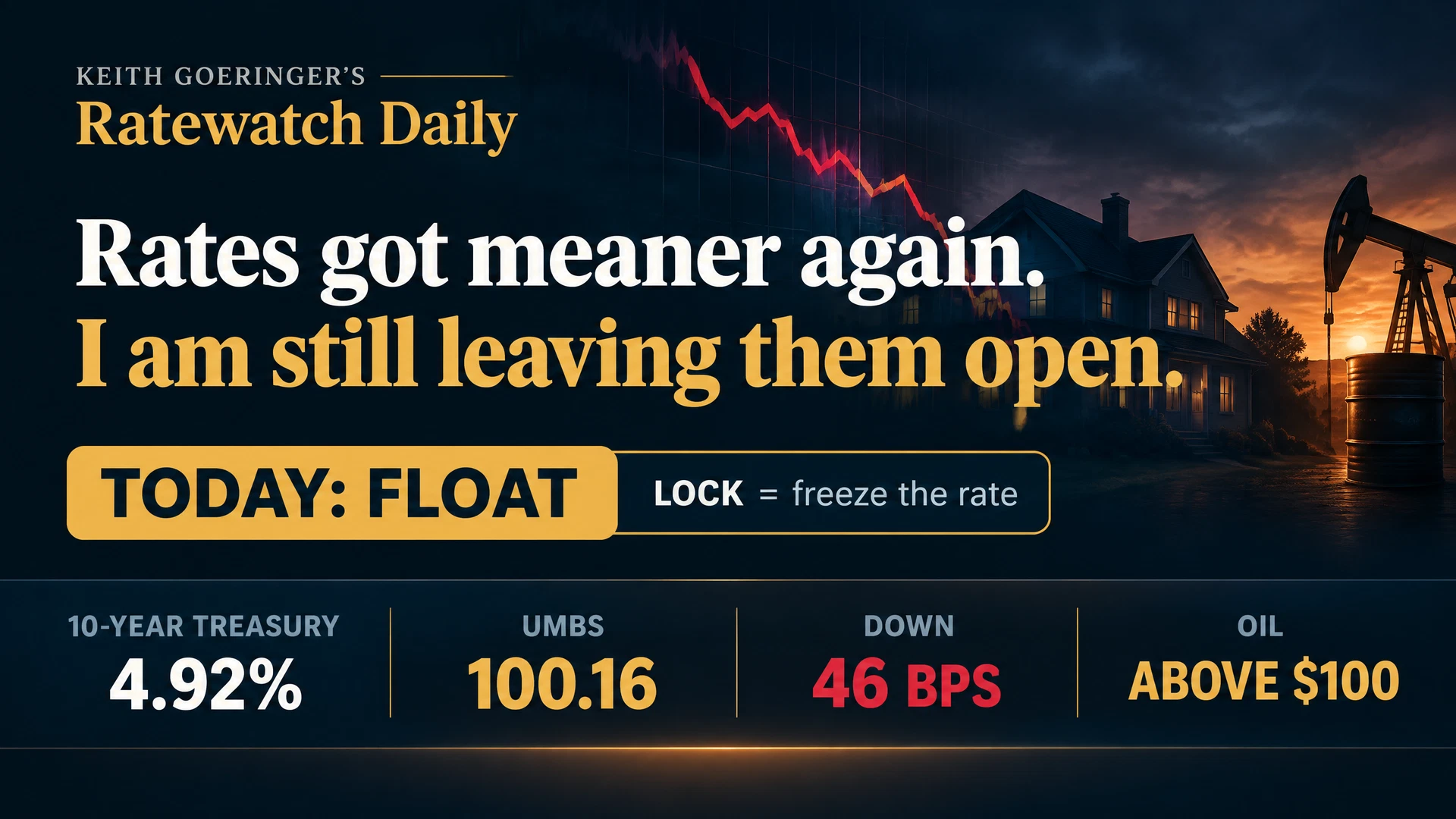
Do not confuse that with rates looking fine. The professional market update supplied for this post showed UMBS near 100.16 and down about 46 basis points. The 10-year Treasury pushed near 4.92%.
Bond prices going down puts pressure on mortgage rates to move up. The 4.92% Treasury yield is not a consumer mortgage rate, and a 46-basis-point UMBS move does not mean your mortgage rate changed by 0.46%.
Why would I float when the tape looks this rough?
Because locking after a sharp selloff can freeze a bad number without giving the file a reason to do it.
That does not make floating safe. It means the lock decision still belongs to the actual file.
If your closing date is close, your payment tolerance is tight, or your lender has a weak extension policy, waiting may not fit. If you have more time and can handle movement, carefully floating can leave room for the market to catch a breath.
Why did the tape get meaner?
Oil moved above $100 per barrel. Higher energy costs can keep inflation pressure alive, which usually leans on bonds the wrong way.
The professional update also described producer inflation as hot. Even when one monthly piece lands near expectations, the year-over-year direction can still bother the bond market.
The prior Treasury buyback hangover was still part of the setup. The announced buy was $6 billion. Helpful is not the same as a rescue.
What does the mortgage-bond chart show?
The chart below is the professional UMBS price snapshot supplied with this update.
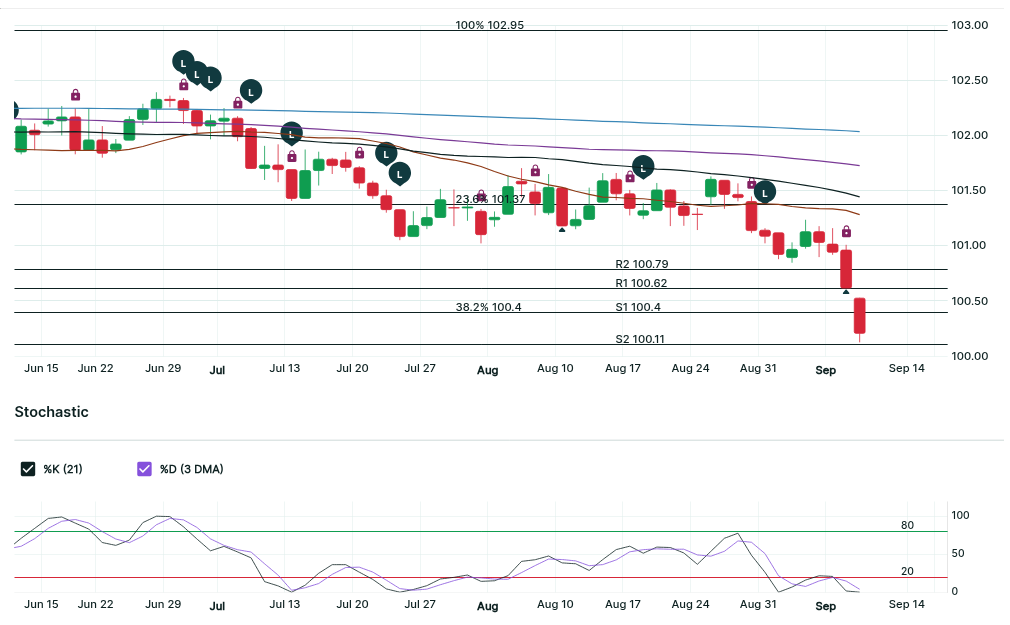
The chart belongs inside the article because it explains the market move. It is not the cover image.
Did housing data help?
Not enough to change the mood.
The professional update said existing-home closings slipped again and inventory improved a little. First-time buyers were still part of the market, but higher financing costs kept thinning the easy deals.
That is what a harder payment does. It does not remove every buyer. It makes the budget and loan structure matter more.
What I would do now
If your rate is already locked, stay locked. A lock is an agreement for that rate and time period. It is not a scoreboard for today’s tape.
If you are shopping and not under contract, do not panic-lock a random quote. Get a real payment on a real property and loan structure.
If you have a file in process and the rate is still open, I am with the float call for now. I would watch the next consumer-inflation report and keep a hand on the door.
The Consumer Financial Protection Bureau’s rate-lock guide explains why the lock period, extension costs, and changes to the application matter.
What could change the call?
A better inflation report could give bonds room to breathe. A hotter report could keep pressure on the 10-year Treasury and lender pricing.
I am not turning that into a prediction. The next call depends on what the market actually does and what your lender’s rate sheet shows.
Your file still decides the answer
Your numbers depend on the property, credit, loan structure, points, closing date, lock period, and how much payment movement you can tolerate.
Use Why the Maximum Approval Is the Worst Number to Base Your Home Purchase On to separate what underwriting allows from what your household can live with.
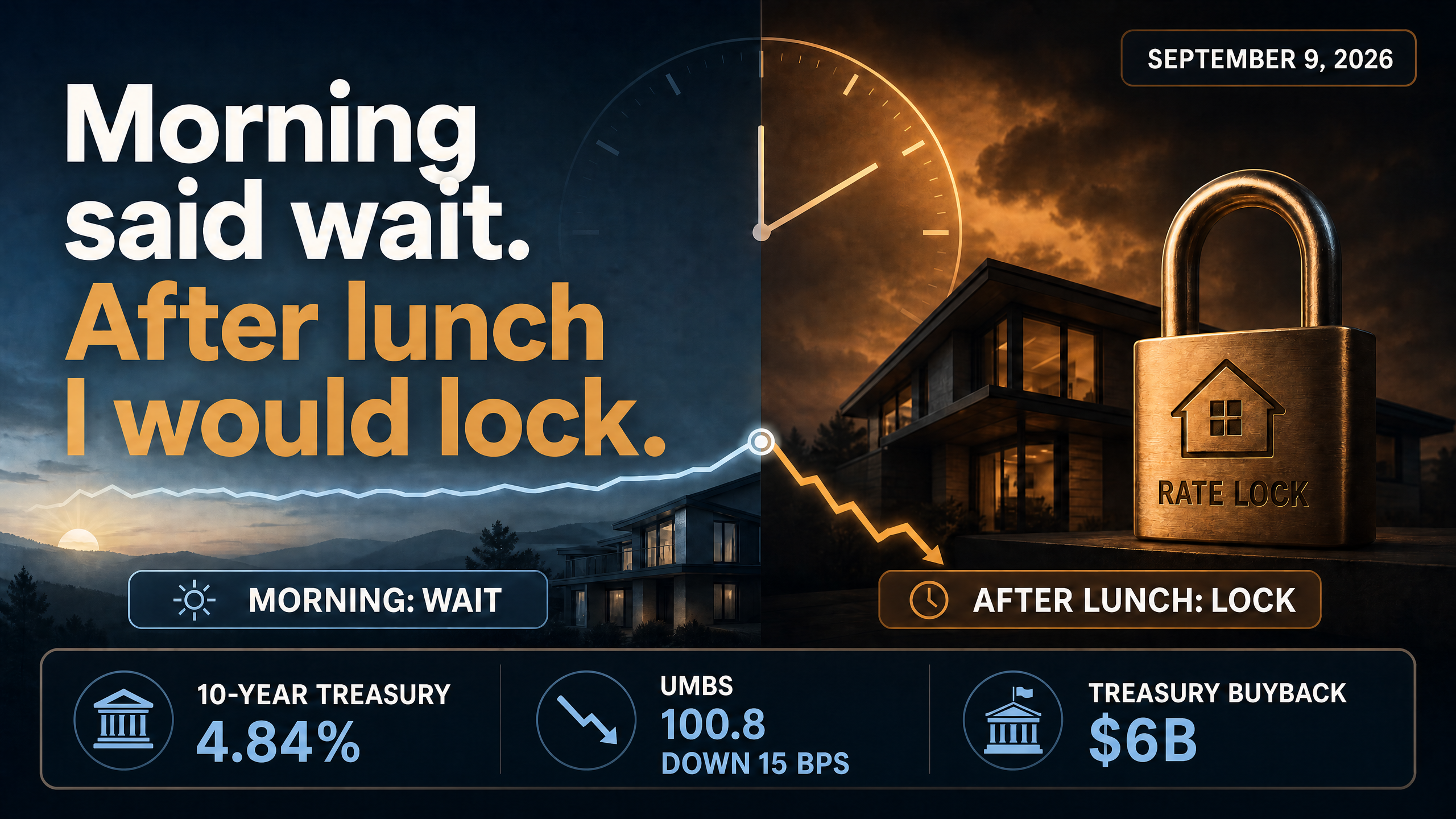
Wednesday’s intraday reversal is in Morning Said Wait. After Lunch I Would Lock.
Want me to check the scenario?
Send me the file through Ask Keith. I will review the property, credit, loan structure, current payment, closing date, lock period, extension policy, and float-down terms.
If you want to talk it through, book a mortgage call. If you are still looking, start the soft-check mortgage application before you make an offer.
Follow Ratewatch Daily for the next market update.
Sources and limitations
- Professional mortgage-market data and intraday commentary supplied by the user for September 10, 2026.
- Consumer Financial Protection Bureau: What is a rate lock?
Treasury yields, oil prices, mortgage-bond prices, inflation reports, survey figures, and lender pricing can change during the day. The figures above are September 10, 2026 intraday observations supplied from a professional market source. The 4.92% figure is a 10-year Treasury yield, not a mortgage-rate offer. UMBS basis points are not the same as a change in a consumer mortgage rate. Lender pricing can vary. This article is dated market commentary. It is not an offer to lend or a promise that floating will produce a better outcome. Lock terms, extensions, float-down options, and the right decision depend on the lender and the individual file.